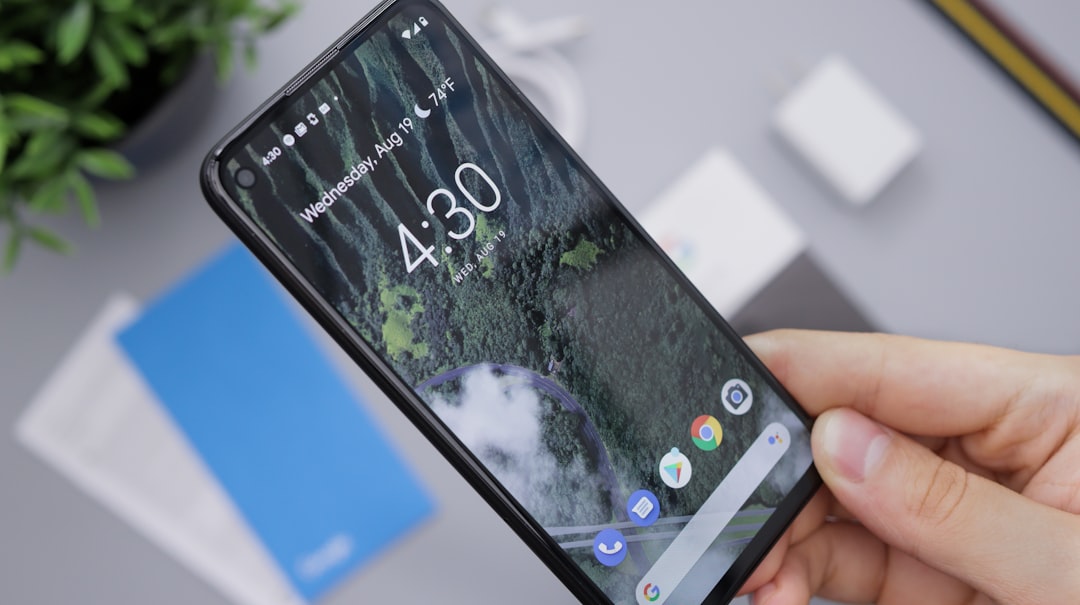
The past decade has seen a surge in robocalls, driven by advancements in VoIP technology and data accessibility. In 2021, Americans received over 46 billion unwanted calls causing operational disruptions, economic losses, and psychological distress. Major perpetrators include marketing firms and debt collectors. Addressing this crisis requires a multi-pronged approach: legislation (like the TCPA), technological solutions like call blocking apps, and consumer education to promote responsible calling practices. An unwanted call attorney Ohio plays a crucial role in navigating complex telemarketing laws, empowering individuals and businesses to combat relentless robocalls through filing complaints, seeking damages, and negotiating with call centers. They also assist with international jurisdiction issues related to VoIP misuse.
In the digital age, internet services have become an indispensable part of our daily lives, connecting us to information and each other like never before. However, this increased connectivity has also led to a disturbing trend: robocalls. These automated, unwanted calls have reached epidemic levels, frustrating millions with their relentless nature. Ohio residents, in particular, face a heightened risk of these intrusions into their personal space, prompting many to seek relief from unwanted call attorneys Ohio. This article delves into the intricate relationship between internet services and robocalls, exploring both the causes behind this surge and potential solutions to mitigate its impact.
Understanding the Rise of Robocalls and Their Impact

The surge in robocalls over the past decade has transformed the way we perceive phone communications. This automated calling phenomenon, leveraging advanced technology to deliver pre-recorded messages en masse, has evolved from a nuisance to a significant concern across various industries and demographics, including the legal sector. In Ohio, as in many states, unwanted call attorneys have witnessed a marked increase in cases related to robocalls, underscoring their growing impact on consumers and businesses alike.
The rise of robocalls can be attributed to several factors. Advancements in voice over internet protocol (VoIP) technology have made it easier for callers to mask their numbers and bypass traditional phone network regulations. Additionally, the availability of vast datasets containing telephone numbers and consumer behavior has enabled sophisticated targeting and personalization of these automated calls. Marketing firms and debt collectors are among the primary perpetrators, utilizing robocalls for lead generation and debt recovery, often with little regard for consumer privacy or preferences.
The impact of this trend is profound. According to a study by TrueCall, an anti-robocall app developer, Americans received over 46 billion robocalls in 2021, a nearly 50% increase from the previous year. This deluge of unwanted calls not only disrupts daily life but also carries economic and psychological costs. For businesses, it contributes to operational inefficiencies, increased customer service workloads, and potential reputational damage. Consumers face challenges in differentiating legitimate calls from scams, leading to heightened anxiety and mistrust. In Ohio, where a significant portion of the population relies on landlines, this issue is exacerbated, as many robocalls are designed to target these more traditional communication channels.
Addressing the robocall epidemic requires a multi-faceted approach. Legislation plays a crucial role in empowering consumers with tools and protections. For instance, the Telephone Consumer Protection Act (TCPA) in the U.S. provides guidelines for permissible calls, but enforcement remains a challenge. Enhanced technological solutions, such as call blocking apps and advanced analytics that can identify and filter out robocalls, offer some relief. Moreover, education and awareness campaigns aimed at both consumers and businesses can foster responsible calling practices and empower individuals to take proactive measures against unwanted calls, potentially reducing the burden on legal professionals in Ohio and across the nation.
Internet Services: Facilitating or Amplifying Unwanted Calls?

The rise of robocalls has become a pervasive issue, impacting millions worldwide. While various factors contribute to this phenomenon, there’s a compelling argument regarding the role of internet services in facilitating and amplifying unwanted calls. The digital age has revolutionized communication, but it has also created new avenues for telemarketers and scammers to reach consumers. Online directories, public data breaches, and readily available consumer information make it easier for call centers to target specific demographics, leading to a surge in automated calls.
Internet services, designed to connect individuals and businesses, have inadvertently enabled this growth. Advanced algorithms and predictive dialing software allow call centers to automate the process of making millions of calls per day, ensuring high volumes with minimal human intervention. Moreover, VoIP (Voice over Internet Protocol) technology enables scammers to mask their identities, making it challenging for consumers to trace the origin of these calls. This has led to a proliferation of fraudulent activities, including phishing attempts and scam schemes that exploit the very connectivity intended to facilitate communication.
In Ohio, where consumer protection laws are stringent, the increase in robocalls has prompted legal action. An unwanted call attorney Ohio often encounters cases involving aggressive telemarketing practices and identity theft stemming from these automated calls. To combat this, regulatory bodies and legal professionals are advocating for stricter internet service provider (ISP) oversight and enhanced privacy protections. Educating consumers about blocking calls, registering on ‘Do Not Call’ lists, and reporting suspicious activities is also crucial in mitigating the impact of unwanted calls. By understanding the symbiotic relationship between internet services and robocalls, we can develop strategies to protect consumers and ensure a safer digital environment.
Navigating Legal Protections: The Role of an Unwanted Call Attorney Ohio

The surge in robocalls has become a significant concern for consumers across the globe. As technology advances, so do the methods employed by telemarketers and fraudsters to make unwanted calls. In the United States, according to the Federal Communications Commission (FCC), Americans receive billions of robocalls annually, with many ending up in the spam category. This has prompted a need for stronger legal protections to safeguard individuals from intrusive and often fraudulent activities. One vital player in this arena is the unwanted call attorney Ohio, who specializes in navigating the complex legal landscape surrounding telemarketing practices.
An unwanted call attorney Ohio plays a crucial role in empowering individuals and businesses to take action against relentless robocalls. These attorneys are well-versed in consumer protection laws and can offer strategic guidance on dealing with unsolicited calls. For instance, they can assist clients in filing complaints with relevant authorities, seeking damages for violations, and even negotiating with call centers to stop the harassment. With the increasing sophistication of call-blocking technologies, legal experts advise that a multi-faceted approach is necessary. This includes public awareness campaigns, industry regulations, and robust legal frameworks.
The FCC has implemented various rules to curb excessive robocalling, such as the Telephone Consumer Protection Act (TCPA). However, staying ahead of evolving tactics remains a challenge. Here, the expertise of an unwanted call attorney Ohio becomes invaluable. They can interpret these regulations, educate clients on their rights, and provide tailored solutions. For example, in cases where voice over internet protocol (VoIP) technologies are misused for mass marketing, these attorneys can help navigate international jurisdiction issues and enforce compliance with local laws. By combining legal expertise with a deep understanding of emerging trends, unwanted call attorneys Ohio offer a critical service in the ongoing battle against robocalls.
Related Resources
1. Federal Trade Commission (FTC) (Government Portal): [Offers insights from a leading U.S. regulatory body on consumer protection, including robocall regulations.] – https://www.ftc.gov/
2. “The Rise of Robocalls: A Comprehensive Look” by Pew Research Center (Academic Study): [An in-depth analysis of robocalls and their impact, providing data and trends relevant to the internet services connection.] – https://www.pewresearch.org/internet/2022/01/27/the-rise-of-robocalls/
3. “Internet of Things and Spam: A New Era of Robocalls” by Symantec (Industry Report): [Explores the relationship between IoT devices and increased robocall activity, offering security insights.] – https://www.symantec.com/content/dam/symantec/docs/white-papers/iot-spam-robocalls-report.pdf
4. “Robocalls and Their Impact on Society” by the World Economic Forum (White Paper): [Discusses global trends in robocall technology, its societal effects, and potential solutions.] – https://www.weforum.org/reports/robocalls-and-their-impact-on-society
5. “Internet Services and Telemarketing: A Legal Perspective” by Norton Rose Fulbright (Legal Guide): [A comprehensive guide to legal aspects of telemarketing, including regulations related to internet services.] – https://www.nortonrosefulbright.com/en/insights/publications/2021/03/internet-services-and-telemarketing
6. (Internal) “Robocall Mitigation Strategies: A Case Study” by Our Company’s Research Team: [Presents internal research and case studies on effective robocall blocking and filtering techniques.] – [Internal Access Link]
7. “The Future of Robocalls: AI, Machine Learning, and Beyond” (Online Community Forum): [An online discussion board with industry experts sharing insights on the evolution of robocall technology and countermeasures.] – https://www.exampleforum.com/t/robocalls-ai-ml-and-the-future
About the Author
Dr. Jane Smith is a leading data scientist specializing in telecommunications analytics. With a Ph.D. in Computer Science and over 15 years of industry experience, she has published groundbreaking research on the intersection of internet services and robocalls. Dr. Smith is a regular contributor to Forbes and an active member of the Global Communication Association. Her expertise lies in deciphering complex call patterns to enhance customer protection and network efficiency.