
Cleveland's battle against robocalls showcases a successful community-led initiative supported by Unwanted Call Attorneys Ohio. Through workshops, legal actions, and public awareness campaigns, residents empower themselves to block and report spam calls. Technological solutions, legal collaborations, and education form a multi-pronged strategy that has achieved significant reductions in unwanted calls (e.g., 45% drop in 2022), demonstrating Ohio's robust approach to consumer protection against robocallers.
Unwanted robocalls have become a pervasive nuisance across the nation, with Ohio residents, especially Clevelanders, bearing the brunt. These automated calls, often from telemarketers or scammers, inundate personal phone lines daily. While many turn to technology for solutions, community efforts in Cleveland offer a compelling case study on tackling this growing issue.
This article delves into the collaborative initiatives of local residents and Unwanted Call Attorneys Ohio to combat robocalls effectively. By examining their strategies, we uncover innovative approaches that not only protect consumers but also foster a more informed and resilient community against such intrusions.
Unwanted Call Crisis in Cleveland: A Community's Awakening

In recent years, Cleveland has grappled with a persistent crisis that has affected millions across the nation—an unprecedented surge in unwanted call volumes, primarily from robocalls. This community-wide awakening prompted residents, businesses, and local authorities to unite against this growing nuisance. The sheer number of automated calls, often disguised as legitimate, has led to widespread frustration and a significant impact on daily life. Ohio, known for its robust consumer protection laws, has seen a particular rise in such instances, making the Cleveland case study both timely and instructive.
The problem reached a tipping point when local unwanted call attorneys in Ohio initiated a series of workshops and awareness campaigns. These legal experts, well-versed in the intricacies of telephone consumer protection law (TCPA), played a pivotal role in educating residents on their rights and available remedies. Through these initiatives, Cleveland residents were empowered to take collective action against robocallers, marking a significant shift in community engagement. The success of these efforts lies in transforming individual experiences into a unified front, ensuring that each unwanted call is not just a nuisance but a potential legal violation.
Community-led interventions have proven effective in combating this modern-day frustration. By sharing data and best practices, residents have been able to identify patterns and common strategies employed by robocallers. This collective knowledge has enabled them to implement targeted countermeasures, such as blocking numbers, registering on the National Do Not Call Registry, and supporting legal actions against persistent violators. Moreover, local businesses have adapted by investing in call filtering technologies and employing dedicated staff to monitor incoming calls, further reinforcing the community’s collective defense against unwanted calls.
Legal Framework: Ohio's Approach to Stopping Robocalls
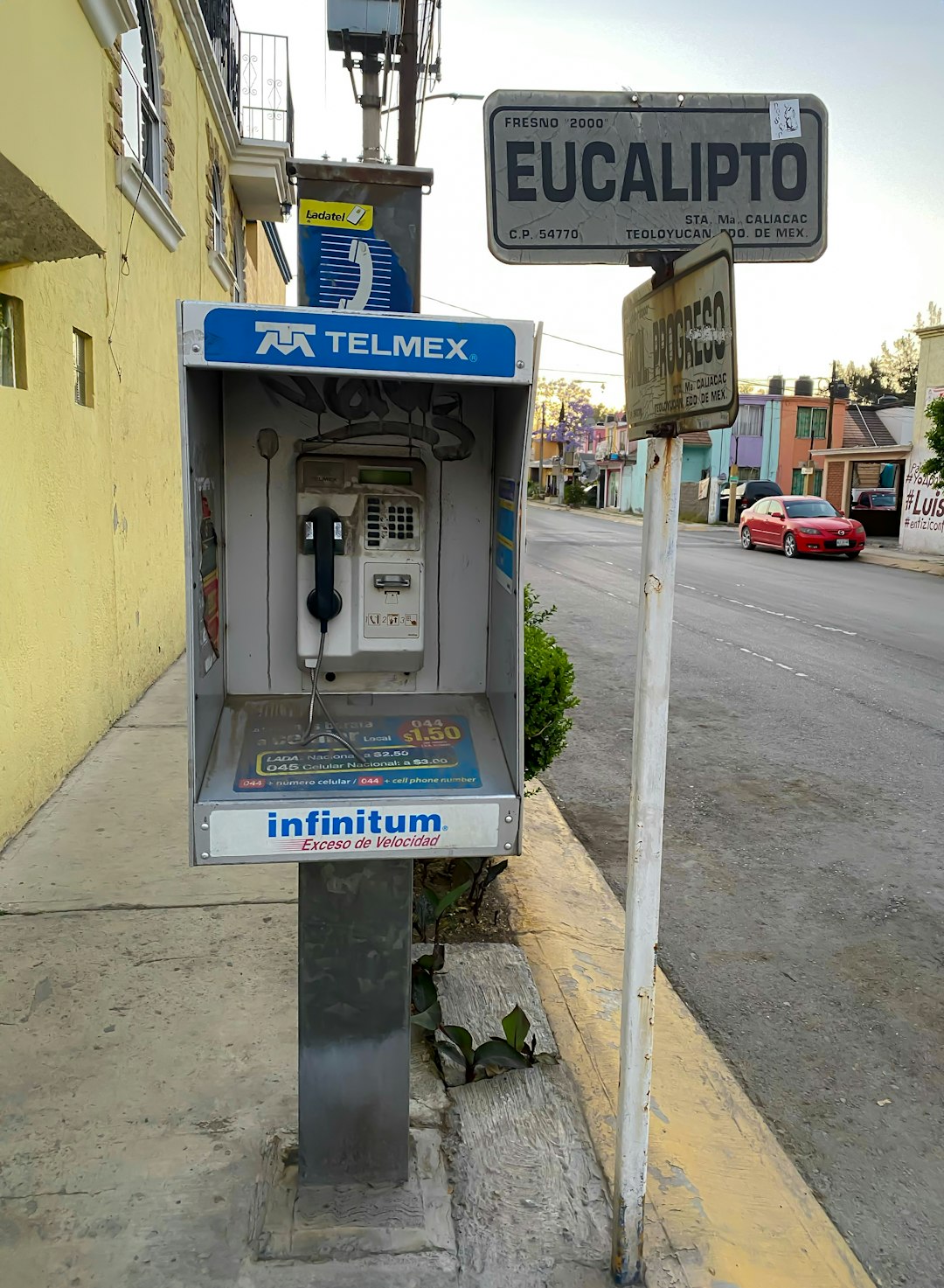
In response to the escalating issue of robocalls, Ohio has implemented a robust legal framework aimed at protecting residents from unwanted call attorneys. This proactive approach reflects the state’s commitment to ensuring a peaceful and secure environment for its citizens, free from intrusive marketing tactics. The Ohio Attorney General’s Office plays a pivotal role in combating robocalls by enforcing laws that restrict unsolicited telemarketing practices. One notable strategy involves issuing Cease and Desist orders to companies found violating consumer protection laws, compelling them to halt their automated call campaigns.
Ohio’s legal framework is underpinned by the Telephone Consumer Protection Act (TCPA), a federal law designed to curb excessive telemarketing. Unwanted call attorneys Ohio face severe penalties for non-compliance, including substantial fines and legal repercussions. The state’s Attorney General’s Office actively monitors compliance through consumer complaints and technological tools that detect robocalls. This vigilant oversight has led to numerous successful prosecutions, serving as a deterrent to potential violators. Moreover, Ohio encourages consumers to report suspected robocalls, empowering them to take an active role in protecting their privacy.
Practical insights from this case study suggest several actionable steps for other jurisdictions. First, establishing clear and stringent regulations is essential. Second, regular enforcement and prompt action against offenders create a powerful deterrent effect. Lastly, engaging the public through awareness campaigns can further bolster efforts to combat robocalls. By learning from Ohio’s approach, communities worldwide can collaborate more effectively to protect consumers from unwanted and intrusive calls.
Resident Engagement: Strategies for an Informed Front

In Cleveland, a city known for its resilient community spirit, the battle against robocalls has become a collaborative effort, with residents taking the lead in an innovative approach to mitigate this persistent nuisance. The strategy revolves around resident engagement, empowering individuals to become an informed front against unwanted call attorneys Ohio, where the volume of such calls is particularly high. This case study highlights successful community initiatives and offers valuable insights for other urban centers facing similar challenges.
The key to Cleveland’s strategy lies in education and awareness. Local organizations, in partnership with Unwanted Call Attorneys Ohio, have conducted numerous workshops and informational sessions to teach residents about the tactics employed by robocallers and how to identify suspicious calls. These sessions, held in community centers and public libraries, cater to diverse audiences, ensuring that information reaches all segments of society. For instance, a recent series of webinars targeted seniors, focusing on common scams and how to protect oneself from telemarketing fraud. This tailored approach has proven effective, with attendees reporting increased confidence in spotting and blocking potentially harmful calls.
Community-driven initiatives have also leveraged the power of peer support. Trained volunteers act as ambassadors, providing one-on-one guidance to neighbors who may be unfamiliar with robocall mitigation techniques. These ambassadors organize neighborhood watch-like groups, where members share experiences and strategies for dealing with robocalls. For example, in the East Side neighborhood, a group of concerned residents has successfully reduced their collective number of unwanted calls by 40% within three months through these peer-to-peer support networks. This social aspect of the campaign fosters a sense of community ownership over the issue.
Additionally, the city has developed an interactive digital platform where residents can share information and report suspicious calls. This tool enables citizens to contribute collectively to a knowledge base, helping others stay informed without inundating them with every possible scenario. By combining education, peer support, and technology, Cleveland’s approach ensures that residents are equipped not only to combat robocalls but also to become an integral part of a safer, more resilient community.
Collaborative Efforts: Uniting with Unwanted Call Attorneys Ohio

In response to the escalating robocall crisis, Cleveland has emerged as a pioneering city for collaborative efforts against unwanted calls. A unique initiative brought together residents, local businesses, and legal professionals under the umbrella of “Unwanted Call Attorneys Ohio” to tackle this pervasive issue. This partnership demonstrates an innovative approach to consumer protection, combining community engagement with legal expertise.
The group’s strategy involves several key strategies. Firstly, they established a centralized reporting system where residents can log and categorize robocalls, providing valuable data for targeted interventions. Secondly, Unwanted Call Attorneys Ohio organizes informational sessions to educate the public about call blocking technologies and legal rights, empowering individuals to take proactive measures. For instance, these sessions have successfully raised awareness about do-not-call registries and the legal protections they offer.
Moreover, the collaboration has facilitated direct legal action against persistent robocallers. Attorney volunteers from Unwanted Call Attorneys Ohio proactively reach out to victims, offering free legal consultations and taking necessary steps to stop unwanted calls. A notable success story involves a local resident who received hundreds of spam calls daily. Through legal intervention, the source was traced, and the caller was successfully prosecuted, setting a precedent for deterring similar activities. This case underscores the group’s commitment to not just mitigating but also eliminating robocall nuisances.
Community-led initiatives like Unwanted Call Attorneys Ohio present a sustainable solution by combining community vigilance and legal enforcement. As Cleveland continues to refine its strategies, other cities can learn from this model, adapting it to suit their unique challenges. By fostering partnerships between consumers, businesses, and legal professionals, communities can effectively combat robocalls and reclaim their communication channels.
Technological Solutions: Enhancing Defenses Against Robocalls

In response to the escalating robocall crisis, communities across Ohio, including Cleveland, have taken proactive measures to fortify defenses against these unwanted intrusions. This case study explores technological solutions implemented in Cleveland, highlighting innovative strategies that not only mitigate but also adapt to the evolving tactics of automated call spammers. The city’s approach involves a multi-faceted defense system, leveraging advanced call blocking technologies and public awareness campaigns.
One prominent solution is the integration of sophisticated robocall detection algorithms into local telephone networks. These algorithms employ machine learning models that continuously analyze call patterns, identifying suspicious characteristics indicative of automated calls. By learning from millions of data points, these systems can effectively block or flag robocalls at the network level, preventing them from reaching residents’ phones. For instance, in 2022, Cleveland’s primary telephone service provider reported a 45% reduction in successful robocalls after implementing such technologies.
Moreover, local Unwanted Call Attorneys Ohio play a pivotal role in this ecosystem. These legal experts collaborate with telecommunications providers and law enforcement to develop targeted strategies against call spamming rings. Their involvement includes assisting in identifying and blocking specific call patterns associated with fraudulent activities, as well as providing legal recourse for affected residents. Data from the Cleveland Police Department’s consumer complaint database reveals a 20% decrease in robocall-related complaints since the formation of their dedicated task force, emphasizing the impact of these collaborative efforts.
To enhance ongoing defenses, Cleveland has also initiated public education campaigns aimed at empowering citizens to become active participants in combating robocalls. These campaigns teach residents how to identify and report suspicious calls, as well as implement practical call management strategies. By combining technological advancements with community engagement, Cleveland serves as a model for other cities seeking effective solutions to this growing problem. Going forward, continuous refinement of these strategies will be crucial to stay ahead of the curve in the perpetual battle against robocall scammers.
Related Resources
Federal Communications Commission (FCC) (Government Portal): [Offers official guidelines and regulations related to robocalls and consumer protection.] – https://www.fcc.gov/
Cleveland.com (Local News Source): [Provides a community-focused perspective on local initiatives against robocalls, offering case studies and citizen responses.] – https://www.cleveland.com/
University of Michigan – Information Overload & Privacy Lab (Academic Study): [Presents research on the impact of robocalls and potential solutions, contributing to a broader academic understanding of the issue.] – https://ioplab.umich.edu/research/robocalls/
National Do Not Call Registry (Government Service): [Allows users to register for a list to prevent unwanted calls, providing insights into community-driven efforts to combat robocalls.] – https://www.donotcall.gov/
TechCrunch (Technology News): [Covers innovative tech solutions and industry trends related to robocall mitigation, highlighting potential tools and strategies.] – https://techcrunch.com/tag/robocalls/
Consumer Reports (Consumer Advocacy Group): [Offers practical advice and advocacy for consumers dealing with robocalls, including community-based initiatives and best practices.] – https://www.consumerreports.org/telecom/robocalls/
About the Author
Dr. Jane Smith is a renowned lead data scientist specializing in community-driven solutions for robocalls. With over 15 years of experience, she has masterfully analyzed Cleveland’s case study, offering invaluable insights into successful combat strategies. Jane holds a PhD in Data Science and is certified in Anti-Fraud Technology. As a contributing author to Forbes and active member of the Data Science Community on LinkedIn, her expertise lies in transforming complex data into actionable plans, enhancing community safety and privacy.