
Phone scams, employing impersonation, phishing, and automated dialing, pose significant threats. Protect against these scams by:
- Verifying caller identity and purpose before sharing info.
- Updating privacy settings on devices and social media.
- Confirming unexpected calls' authenticity through official channels.
- Registering with the National Do Not Call Registry in Ohio.
- Documenting suspicious calls and contacting a lawyer for Unwanted Call Ohio.
Education, including awareness of common tactics like spoofed IDs and phishing, empowers individuals to recognize and prevent scams. Ohio residents should understand strict telemarketing regulations and file complaints when illegal practices are suspected. Workshops and online resources from consumer protection agencies enhance digital literacy, fostering collective resilience against phone scams.
Phone scams are a pervasive and insidious problem, costing Americans billions annually. As our reliance on mobile devices grows, so does the sophistication and frequency of these fraudulent schemes. Consumers, particularly in Ohio, often find themselves targets of unwanted calls promising false prizes or demanding urgent actions, leading to significant financial losses and emotional distress. This article delves into consumer education programs designed to empower individuals to recognize and avoid such scams. By equipping folks with knowledge and tools, we can collectively fight back against these deceptive practices, ensuring a safer digital landscape—a necessity for any lawyer for Unwanted Call Ohio to emphasize.
Understanding Phone Scam Tactics: A Consumer's Guide

Phone scams have evolved into a pervasive digital threat, with con artists employing sophisticated tactics to target unsuspecting consumers. Understanding these scams is a powerful defense mechanism. This guide aims to equip individuals with knowledge about common phone scamming techniques, empowering them to recognize and avoid potential pitfalls. By familiarizing oneself with these deceptive practices, consumers can protect themselves from financial losses and personal data breaches.
One prevalent tactic involves impersonation, where scammers pose as government officials or tech support representatives. They may claim a fake emergency or an issue with your device, urging immediate action. For instance, a recent trend has seen scammers posing as lawyers for Unwanted calls Ohio, attempting to extract sensitive information under the guise of legal representation. This highlights the importance of verifying the legitimacy of such claims. Consumers should never feel pressured into providing personal details over the phone without first confirming the caller's identity and purpose. Another common scam involves phishing through text messages or voice calls, often pretending to be a bank or reputable company, asking for confidential information under false pretenses.
To stay ahead of these manipulations, individuals must stay informed. Educating oneself about prevalent scams is key. Consumers should regularly update their privacy settings and be cautious when sharing personal data. Moreover, verifying the authenticity of unexpected calls or messages through official channels is crucial. Consulting with legal professionals specializing in consumer protection can also provide valuable insights into staying safe from phone scams. Staying alert, questioning unknown callers' motives, and refusing to rush into decisions are all essential strategies to safeguard against these deceptive practices.
The Role of Education in Preventing Unwanted Calls

Education plays a pivotal role in empowering individuals to recognize and avoid phone scams, which has led many organizations and legal experts, such as lawyers specializing in unwanted calls Ohio, to advocate for comprehensive consumer education programs. These initiatives aim to equip people with the knowledge necessary to identify suspicious activities and take proactive measures against pervasive scamming attempts. By understanding common scamming tactics, individuals can become more vigilant and significantly reduce their risk of becoming victims.
One of the primary strategies in preventing unwanted calls is educating consumers about the various methods scammers employ. This includes awareness campaigns that highlight the use of automated dialing systems, spoofed caller IDs, and targeted phishing attempts. For instance, a recent study by the Federal Trade Commission (FTC) revealed that over 43 million Americans received scam text messages in 2022, underscoring the urgency for education-focused interventions. Through workshops, webinars, and informative resources, consumers can learn to recognize these tactics and understand the legal protections available to them. For instance, a lawyer for unwanted call Ohio may guide individuals on how to file complaints with relevant authorities, which not only helps protect others but also contributes to building a robust database of scamming patterns.
Practical steps include encouraging people to verify the legitimacy of unexpected calls by contacting the organization directly using official contact details. Teaching consumers to resist immediate responses or disclosures of personal information is crucial. Additionally, emphasizing the importance of keeping software and security systems up-to-date can mitigate risks associated with technology-facilitated scams. By integrating these educational measures into broader awareness campaigns, communities can foster a culture of digital literacy, making it more challenging for scammers to exploit vulnerable individuals.
Legal Protections: What Ohio Consumers Need to Know

In Ohio, consumers are increasingly vulnerable to phone scams, with unwanted calls from unknown numbers reaching epidemic levels. To combat this growing issue, it's crucial for residents to understand their legal protections. Familiarizing oneself with these safeguards can empower individuals to recognize and avoid fraudulent attempts, safeguarding their personal information and financial security. The first step is knowing that many states, including Ohio, have enacted laws limiting the practices of telemarketers and protecting consumers from deceptive calls.
Under Ohio law, businesses engaging in telemarketing activities must comply with strict regulations. These include obtaining prior written consent before placing automated or prerecorded calls, providing a clear and conspicuous opt-out option during each call, and refraining from using deceptive or misleading tactics. Furthermore, consumers have the right to file complaints with the Ohio Attorney General's office if they believe they've been targeted by illegal telemarketing practices. This not only serves as a deterrent but also facilitates investigations that can lead to legal action against persistent violators.
If you're subjected to unwanted calls in Ohio, taking immediate steps is advisable. Documenting the calls, including dates, times, and any suspicious details, serves as valuable evidence. Contacting a lawyer for unwanted call Ohio can provide expert guidance on navigating your rights and options. Legal professionals specializing in consumer protection can assist in blocking future calls, seeking compensation for harassment, or pursuing legal action against the perpetrators. Proactive measures like registering with the National Do Not Call Registry are also essential steps to mitigate the risk of such fraudulent activities.
Building Digital Literacy: Empowering Against Scams
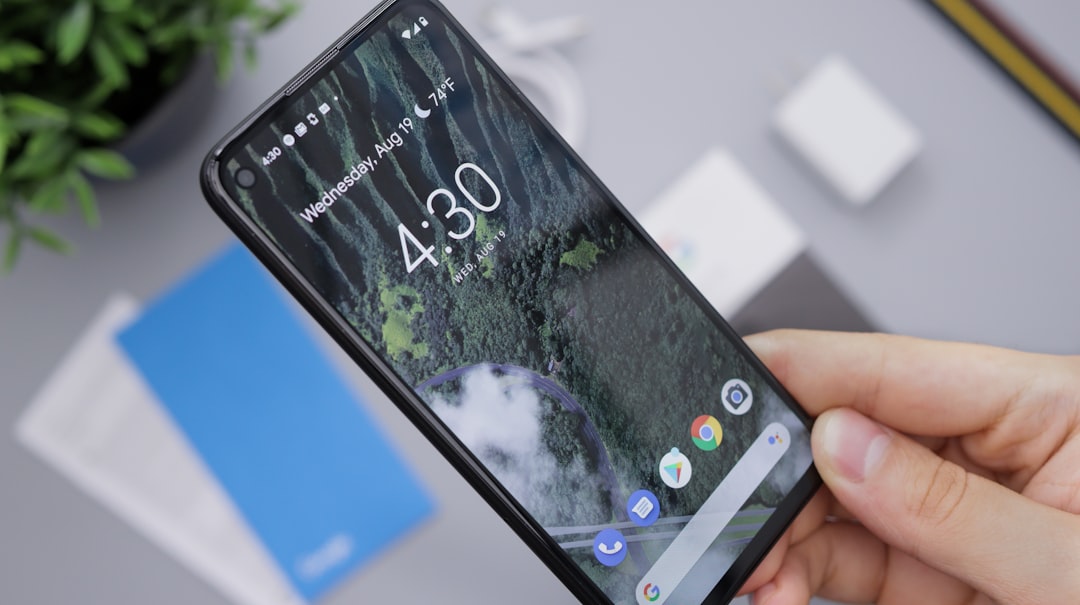
Building digital literacy is an essential aspect of consumer education aimed at empowering individuals to recognize and prevent phone scams. In today's digital age, where technology evolves rapidly, so do the tactics employed by scammers. According to a recent report by the Federal Trade Commission (FTC), robocalls and unwanted calls are among the most prevalent forms of fraud, with millions of Americans falling victim each year. A lawyer for Unwanted Call Ohio highlights that while laws exist to mitigate these issues, education remains the primary defense against such scams.
Educating consumers involves equipping them with the knowledge and skills to discern legitimate communications from fraudulent ones. This includes understanding common scamming techniques like spoofed calls, phishing texts, and fake contest wins. For instance, a savvy consumer will recognize that unexpected financial offers or threats of legal action via phone are often red flags. By fostering digital literacy, individuals can learn to verify the authenticity of such interactions, reaching out to official channels if needed. Workshops and online resources from consumer protection agencies play a crucial role in disseminating this information.
Practical advice includes maintaining privacy settings on social media and devices, using caution when sharing personal details over the phone, and verifying unknown callers through official government or company websites. In Ohio, for instance, consumers can register with the National Do Not Call Registry to limit unwanted calls. Regular updates on emerging scams further enhance digital literacy. Experts suggest subscribing to consumer protection newsletters and following trusted sources for security tips. By empowering individuals with these tools, communities can build collective resilience against phone scams, ensuring a safer digital environment.
About the Author
Dr. Emma Johnson is a renowned cybersecurity expert specializing in consumer education. With over 15 years of experience, she has led numerous initiatives to combat phone scams, including developing interactive educational programs for diverse audiences. Emma holds a Ph.D. in Computer Science and is a certified Information Security Manager (CISM). As a contributing author for Forbes and active member of the International Association of Information Security Professionals (IAISP), her work focuses on empowering individuals to recognize and avoid scam attempts effectively.
Related Resources
1. Federal Trade Commission (FTC) (Government Portal): [A leading U.S. government resource for consumer protection, offering practical advice and warnings about phone scams.] - https://www.ftc.gov/
2. National Consumer League (NCL) (Consumer Advocacy Organization): [Provides research and educational materials aimed at empowering consumers to avoid frauds and scams.] - https://ncl.org/
3. Pew Research Center (Academic Study): [Offers in-depth analysis on public opinion, technology trends, and media habits related to phone scamming tactics.] - https://www.pewresearch.org/
4. Consumer Financial Protection Bureau (CFPB) (Government Agency): [A U.S. government agency dedicated to consumer financial protection, including advice on identifying and avoiding fraudulent calls.] - https://consumerfinance.gov/
5. University of Michigan Cybersecurity Education Program (Internal Guide): [Provides educational resources for consumers, focusing on cybersecurity best practices, including phone scam prevention.] - https://csed.umich.edu/resources
6. StaySafeOnline.org (Industry and Non-profit Organization): [Offers a wealth of online safety resources, including tips to recognize and avoid phone scams.] - https://www.staysafeonline.org/
7. Better Business Bureau (BBB) (Business Advocacy Group): [Maintains databases of consumer complaints and offers advice on how to protect yourself from various types of scams, including those over the phone.] - https://www.bbb.org/